
The historic French port city of Rouen provided a wonderful setting for three days of discussion, learning, fellowship and hospitality as maritime welfare representatives gathered from 9 to 11 October 2026. The FNAAM–MTS Europe Regional Conference, jointly organised by the Fédération Nationale des Associations d’Accueil des Marins (FNAAM) and the Mission to Seafarers (MTS), brought together welfare workers, maritime industry representatives and public authorities committed to improving the lives of seafarers.
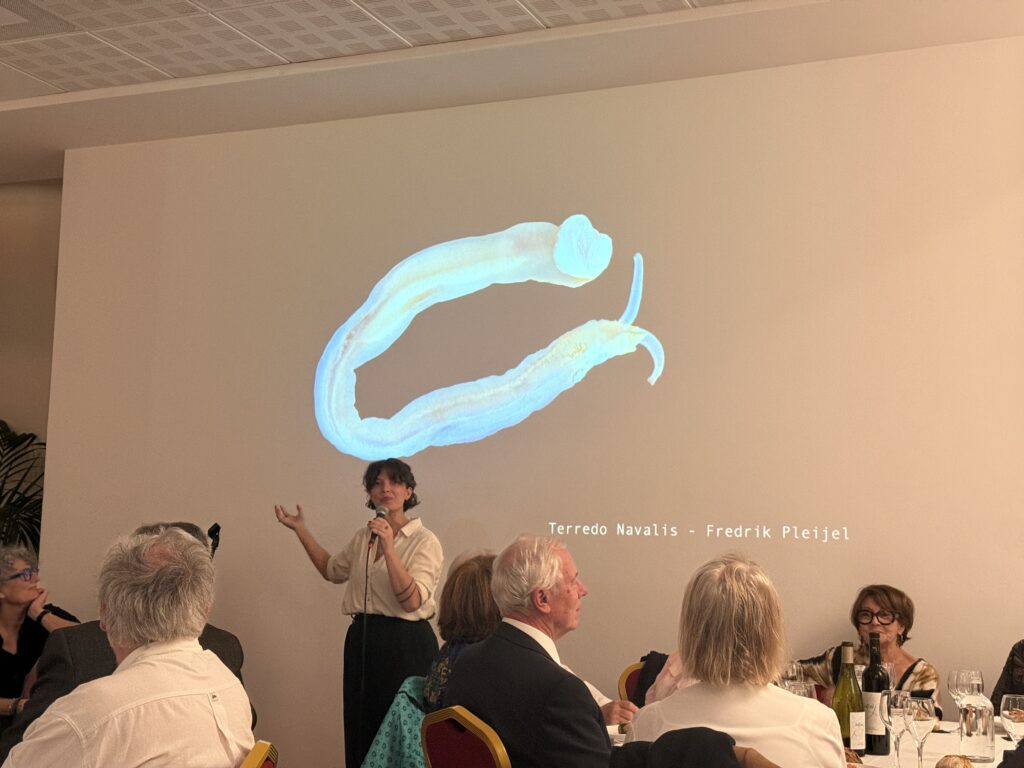



The conference combined the European Regional Meeting of the Mission to Seafarers with the French national maritime welfare network, reflecting the strong international and ecumenical character of seafarers’ welfare in France. It was an opportunity to learn about developments in the maritime industry, share experiences from different countries and, perhaps most importantly, see what can be achieved when organisations and public authorities work together.
Much of the success of the gathering was due to the leadership of Éric Salaun, the conference organiser in Rouen. With his characteristic humour and generous hospitality, Éric ensured that participants felt welcome throughout the three days. Supported by local colleagues and volunteers, he created an atmosphere in which serious discussions about maritime welfare were complemented by warm friendship, excellent food and genuine enjoyment.
The FNAAM–MTS Conference began on Friday with sessions organised by the Mission to Seafarers, including presentations from maritime industry experts representing NorthStandard P&I and Drewry. These presentations highlighted the growing complexity of international shipping and the pressures facing the industry. Geopolitical tensions, armed conflicts, disruptions to established trading routes and changing economic conditions have created an increasingly unpredictable environment for shipowners, operators and crews.
While these developments are often discussed in terms of commercial costs, insurance risks and global supply chains, they also have profound human consequences. Behind every vessel navigating a dangerous region or facing an extended voyage are seafarers who must live and work with uncertainty. Welfare workers encounter these consequences in very personal ways, whether through conversations about anxiety, family separation, fatigue or concerns about the future.
Friday also featured presentations from local port and government officials, providing valuable insights into the organisation of maritime activities and seafarers’ welfare in Rouen and the wider region. What stood out was the genuine commitment of these officials to their work and their recognition of the importance of supporting the people who keep maritime trade moving. Their contributions demonstrated that concern for seafarers is not limited to welfare organisations, but is also shared by public authorities and those responsible for port operations. This commitment would become an important theme throughout the conference.
The Friday programme also included the presentation of the Mission to Seafarers’ report on the expectations of seafarers during port calls, followed by roundtable discussions. This provided an opportunity to consider how the maritime industry and welfare organisations can respond to the changing needs of those working at sea.
Saturday’s programme, led by FNAAM, brought together a wide range of perspectives on a particularly important question: how can ports find the right balance between operational and security requirements and the ability of seafarers to go ashore? Contributors included representatives from ISEMAR, the ITF, ISWAN, CRAPEM and ICMA.
Steve Morgan, Regional Director for Europe with the Mission to Seafarers, gave an excellent presentation on Saturday morning explaining the organisation’s work and its commitment to supporting seafarers around the world. His contribution helped connect the wider discussions with the practical realities of maritime ministry and the importance of maintaining a strong network of welfare services in ports. Jason Zuidema, General Secretary of ICMA, and Simon Grainge of ISWAN were also among those contributing to the discussions, alongside representatives of the maritime industry, labour organisations and public authorities.
One of the most encouraging aspects of the FNAAM–MTS Conference was learning about the remarkable cooperation that has developed in France between public authorities, healthcare providers and maritime welfare organisations. In many countries, those involved in seafarers’ welfare have long discussed the need for stronger partnerships to improve access to medical care and other essential services. France provided examples of what can happen when these ambitions are translated into practical action.
Camille Jégo gave a particularly interesting presentation explaining the work of CRAPEM and the psychological support available to seafarers. The presentation highlighted the importance of recognising mental health needs and ensuring that seafarers can receive appropriate professional assistance when difficulties arise. Long periods away from family, demanding working conditions, isolation and the pressures of international shipping can all affect psychological well-being. For seafarers experiencing difficulties, access to appropriate care during a short port visit can be especially challenging.
What made the French experience so impressive was not simply the recognition of these problems, but the evidence of organisations and authorities working together to address them. Cooperation between welfare services, healthcare professionals and public institutions has helped create more practical ways of supporting seafarers who need assistance. These are the kinds of partnerships that welfare organisations in many other countries have dreamed of establishing. In France, it was encouraging to see that significant progress has actually been made. There are undoubtedly lessons here for the wider international maritime welfare community.
Of course, not every memorable moment in Rouen came from the formal presentations. The conference brought together French-speaking and English-speaking participants, with the programme balancing both languages. One interesting innovation was the use of artificial intelligence for translation. As a first experiment, it offered a glimpse of how new technology might help international meetings overcome language barriers. The results were generally interesting, although the technology also demonstrated that it still has a few things to learn. Some translations were unexpectedly creative, occasionally producing language that was perhaps not entirely suitable for a family audience. These moments provided some unintended comedy and reminded participants that, however sophisticated technology becomes, human understanding and a sense of humour remain essential.
Adding to the entertainment was one of the most unusual features of any maritime welfare conference: the presence of clowns from Bataclown. Rather than simply appearing for a performance, the clowns listened carefully to the presentations and discussions before offering their own entertaining responses to what they had heard. Their contributions brought laughter into a programme dealing with some very serious subjects.
Saturday afternoon provided an opportunity to leave the conference rooms and experience another side of Rouen’s maritime economy and history. Participants explored the historic city and visited the impressive facilities of Sénalia, a major operator involved in the handling, storage, import and export of grain and other agricultural products. The visit offered a fascinating glimpse into the scale of the port’s operations and the infrastructure supporting international maritime trade. Rouen’s importance as a port is closely connected with the agricultural economy of France, linking producers and businesses with markets around the world.
The evening continued with a gala dinner marking the opening of Norwegian Week, along with an engaging presentation on the maritime history of the region. It was an opportunity to appreciate the long relationship between Rouen, international shipping and the generations of seafarers who have visited its port. Naturally, the hospitality was exceptional. From wonderful pastries and meals to local cheeses and regional drinks, the French hosts ensured that participants experienced some of the best of the region. As is often the case at gatherings of maritime welfare workers, the conversations around the dinner tables were every bit as valuable as those during the formal sessions.
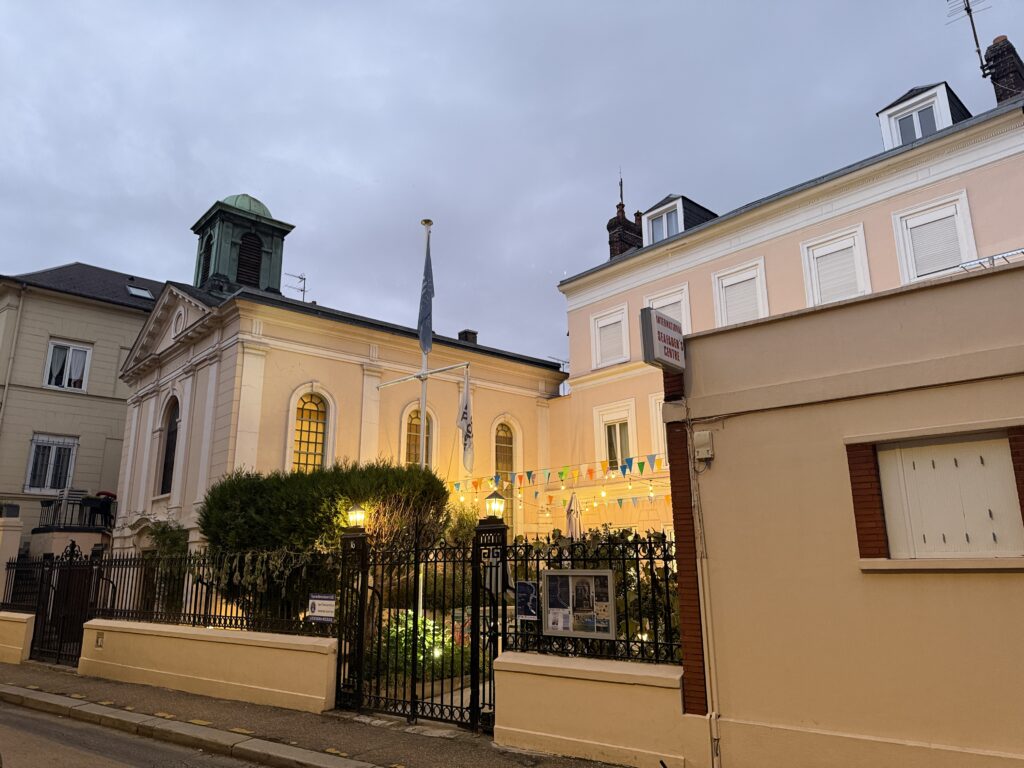
The FNAAM–MTS Conference concluded on Sunday with an ecumenical worship service in the chapel of the Rouen seafarers’ centre, connected with the Norwegian Seamen’s Church. Led by Fr. Bertrand Laurent, Chaplain Silvie Boyd, and Pastor Line Kvaalvag, newly installed in the Norwegian Church in Paris, the service marked a special centenary anniversary and offered a meaningful conclusion to the three days. It was particularly encouraging to see the range of ICMA members and partners working together. These included the Mission to Seafarers, the Apostleship of the Sea (Mission de la Mer), the Deutsche Seemannsmission and the Norwegian Seamen’s Church.
Every maritime region faces its own challenges, shaped by national legislation, port infrastructure, local partnerships and the character of the shipping industry. France has developed distinctive approaches to organising seafarers’ welfare, and the opportunity to learn from these experiences was particularly valuable. The conference demonstrated that cooperation is not simply an ideal to be discussed at international meetings. It can lead to concrete improvements in healthcare, psychological support, shore leave and the wider welfare services available to seafarers.