
From May 17–22, 2026, students, teachers, chaplains, ship visitors, volunteers, and maritime welfare leaders gather in Malmö, Sweden for the annual training program of the International Christian Maritime Association (ICMA). Hosted by the Malmö Seafarers’ Chaplaincy, the week will offer not only lectures and discussion, but fellowship, worship, hospitality, and shared reflection on the changing realities of seafarers’ welfare and maritime ministry.
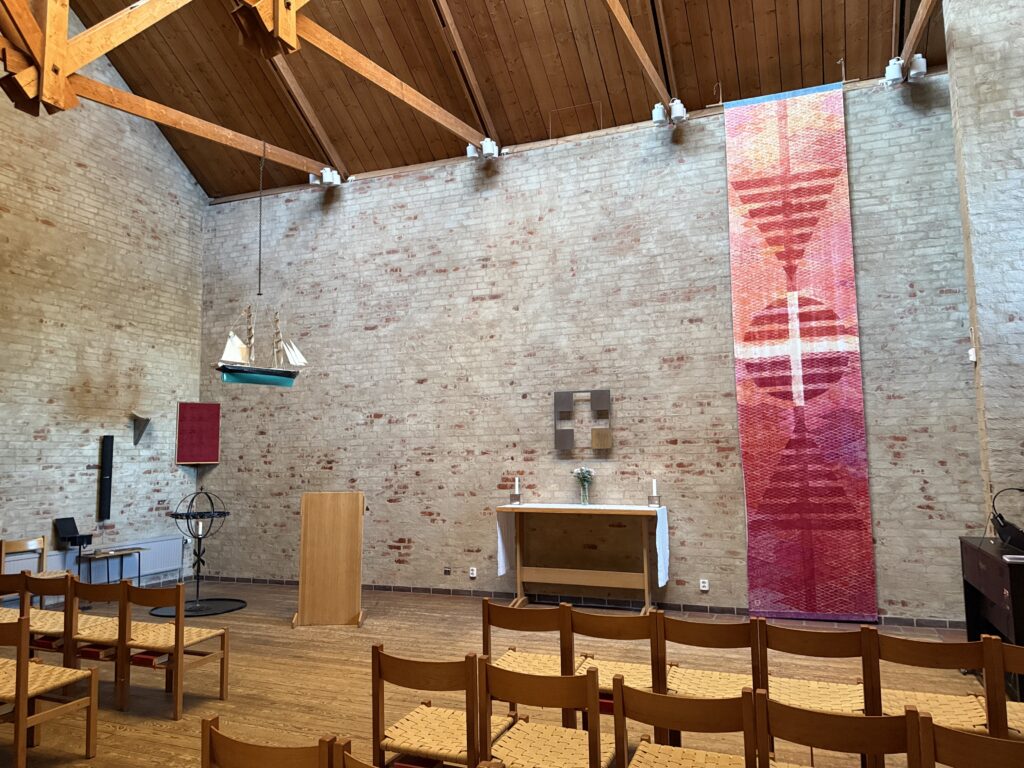
The setting itself shapes the experience. The course is held in the longtime seafarers’ welfare buildings of the chaplaincy in Malmö, a place deeply connected to the maritime life of the city and the Baltic region. The maritime décor, chapel spaces, and welcoming common rooms reminded participants that this was not merely an academic conference venue, but a place where seafarers have been received, cared for, and welcomed in past generations.

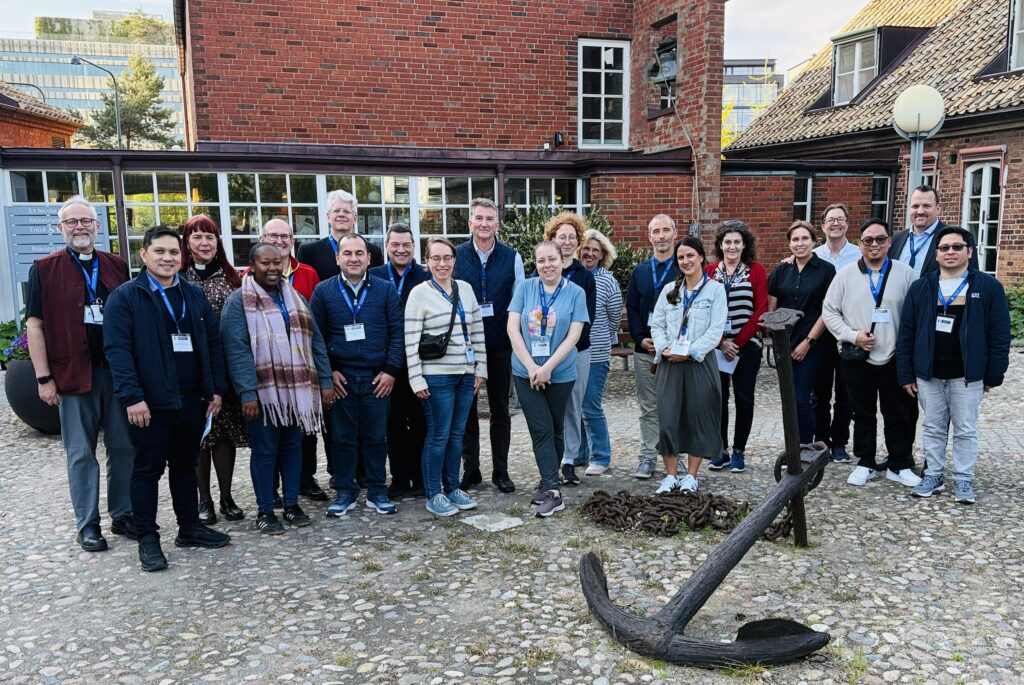
Students arrived from across the world, including New Zealand, South Africa, Belgium, Germany, Canada, the United States, Sweden, the United Kingdom, and Northern Ireland. The diversity of the group reflects the global character of maritime ministry itself. Seafarers come from every continent, and so too do those called to serve them.
The course provides an overview and discussion of key issues in seafarers’ welfare and maritime ministry. Sessions will explore practical ship visiting, mental health, pastoral care, ecumenical cooperation, maritime law, cultural awareness, port ministry operations, and the changing nature of the shipping industry.
The training is coordinated by Dr. Jason Zuidema, General Secretary of ICMA, together with The Rev’d Mark Nestlehutt, Chair of the ICMA Trustees and President and Executive Director of the Seamen’s Church Institute. Throughout the week, the emphasis will be placed on combining practical ministry experience with careful research and reflection. Teachers represent many of the world’s leading seafarers’ missions and academic institutions, including the World Maritime University and the Hamburg School of Business Administration, alongside organizations involved in welfare work throughout Sweden and Denmark. Lecturers will discuss the latest research on isolation at sea, crew fatigue, welfare access, shore leave restrictions, digital communication, and the humanitarian pressures facing seafarers in areas of geopolitical tension.
The Rev. JP Mogehki-Heath, chaplain of the Malmö Seafarers’ Chaplaincy has worked as local host for the gathering. His warmth and hospitality create an atmosphere of fellowship of people sharing a common calling.
Reflecting on why Malmö agreed to host the training, he explained: “I met the ICMA family when I went to the training in Houston, and it was so important for me that we could fellowship together.” He added that when asked whether Malmö would host the course, “We were delighted, and so we do what we can to facilitate that, and if that means that we share our hospitality to make this meeting possible, then it’s the least that we can do for this fellowship.”
Rev. Mogehki-Heath also reflected on why maritime ministry remains so important in Malmö and Sweden today. Speaking about the often-hidden nature of maritime life, he observed: “Sea blindness is very, very real here in Sweden.” He continued by emphasizing that seafarers are frequently forgotten by the societies that depend upon them every day. “It is important that we have a commitment from the country specifically to be able to minister to seafarers.”
That theme of visibility and invisibility are key. Modern society depends almost entirely on global shipping, yet very few people ever meet the seafarers who carry world trade across the oceans. Chaplaincy and maritime welfare work therefore seek not only to provide practical care, but also to restore dignity, recognition, and human connection to people who can otherwise become unseen.
The week officially opened with worship featuring a homily by Pastor Gunilla Hallonsten, vicar responsible for the operations of the Church of Sweden in Malmö. Her sermon reflected on the biblical story of Jesus calming the storm and connected it to the realities faced by both seafarers and those who serve them.
Drawing from the Gospel of Mark, she reminded participants that when Jesus says, “Let us go across to the other side,” he is inviting his disciples into “a journey of radical transformation.” She spoke about how human beings naturally prefer the safety of familiar shores, but that Christian ministry repeatedly calls people beyond comfort and familiarity toward those who are isolated, forgotten, or suffering.
Pastor Hallonsten emphasized that Jesus remained present in the boat even during the storm. “The comfort of this text is that Jesus is in the boat, even when he seems silent.” From there, she connected the biblical story directly to modern maritime ministry, noting that seafarers today face not only physical storms, but also loneliness, exhaustion, exploitation, and separation from family.
One of the most memorable moments of the sermon came near the end, when she shared a personal story from her time as a student volunteer in India. During a visit to the Andaman Islands, she found herself crossing rough waters in a small boat during a violent storm. Waves crashed over the vessel while passengers calmly bailed water from the boat. Though others around her appeared untroubled, she remembered sitting in fear and asking herself profound questions about faith, fear, and trust in God.
Later, after returning to Kolkata, an artist at Mother Teresa’s house unexpectedly presented her with a painting of Jesus calming the storm at sea. The gift became a lasting reminder of fear, trust, and comfort in the midst of uncertainty. The story resonated deeply with those gathered in Malmö because it connected biblical imagery with the real emotional and spiritual struggles experienced both by seafarers and by those who minister alongside them.
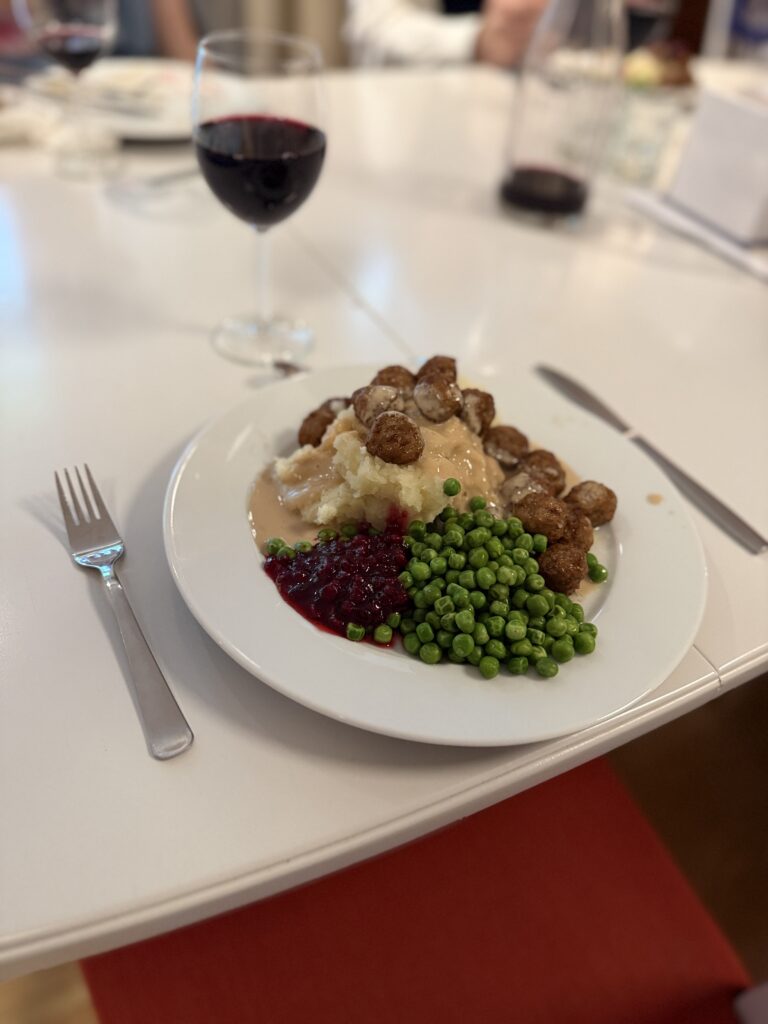
Throughout the week, participants will visit the city and port, discuss case studies from around the world, and reflect together during daily worship. Above all, the week emphasizes that seafarers must never be forgotten. Great food, warm hospitality, and Swedish meatballs at the opening dinner help create a sense of welcome for students far from home. In many ways, this reflects the heart of seafarers’ welfare itself: offering friendship, practical care, and a place of belonging to those who spend their lives far from home at sea.